
In real estate markets across Central Florida, including Tampa, Hillsborough County, and Polk County, many sellers are surprised when their home sits on the market despite being priced correctly. While pricing is an important factor, it is rarely the only reason a home does—or doesn’t—sell. In slower or cooling markets, buyer psychology and presentation often play a much larger role than sellers expect.
In recent years, Central Florida has experienced shifting demand patterns. Some neighborhoods remain competitive, while others have seen longer days on market as inventory increases and buyer urgency decreases. In these conditions, pricing a home “fairly” may simply place it in the middle of the pack—noticed, but not compelling enough to motivate action.
Pricing Gets Attention, Presentation Creates Action
Price helps buyers decide whether a home is worth considering. Presentation determines whether they want to see it in person.
In slower markets, buyers tend to:
- Take more time making decisions
- Compare multiple listings at once
- Be less forgiving of layout issues, dated finishes, or confusing spaces
- Expect homes to feel move-in ready
In areas like Polk County or the outer suburbs of Tampa, buyers often have more options and less pressure to act quickly. If a home does not immediately stand out online, it may never earn a showing—regardless of price.
The Online First Impression Problem
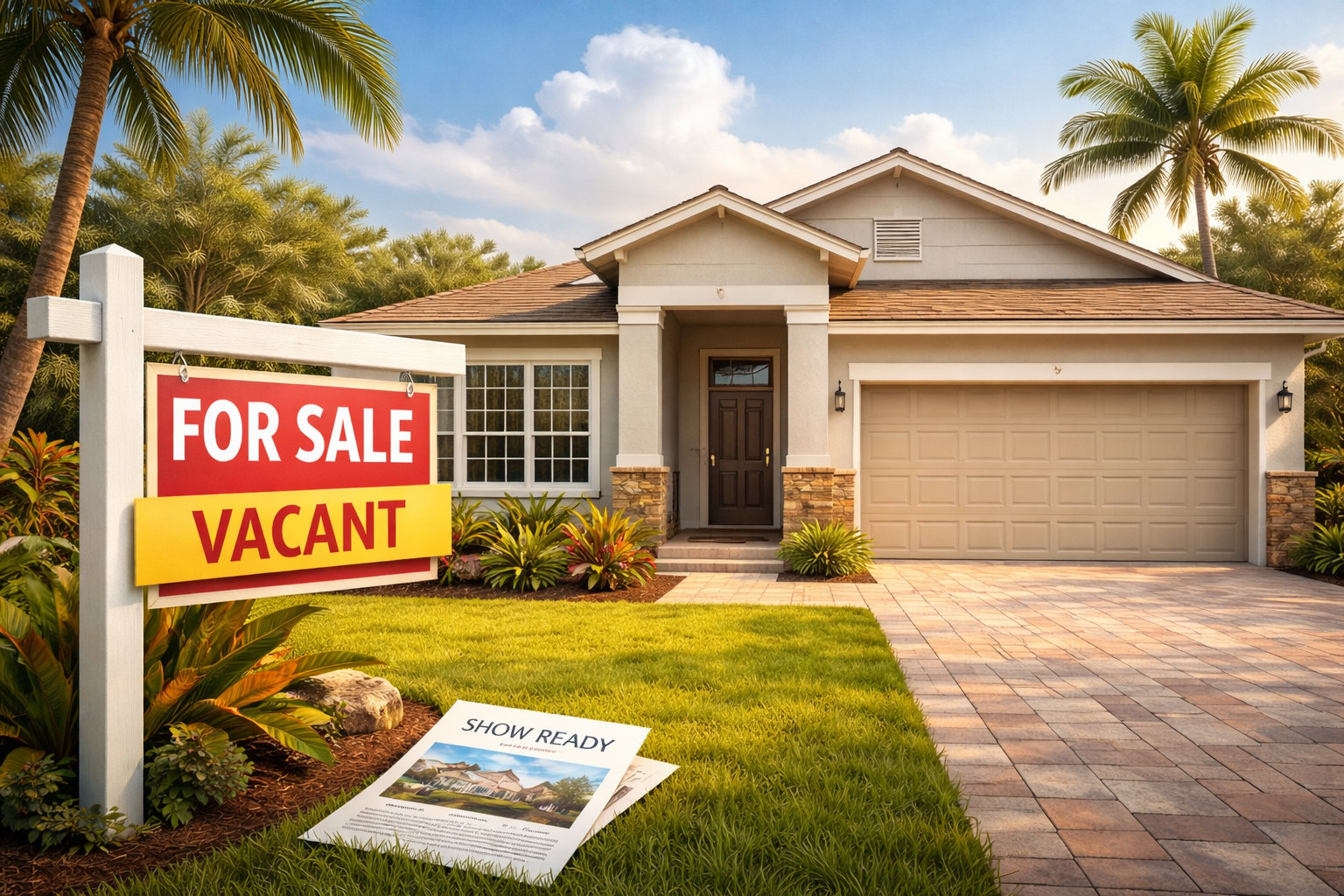
Most buyers form their opinion of a home before stepping inside. Listing photos and online presentation carry enormous weight, especially in slower markets. Homes that appear empty, cluttered, or poorly laid out can feel uninspiring, even when the price is competitive.
When buyers scroll past a listing, they often assume:
- The home needs work
- The layout is awkward
- Better options exist nearby
Once that assumption is made, price alone rarely changes their mind.
Buyer Psychology in Low-Demand Markets
When homes sit, buyers begin to question why:
- “Why hasn’t this sold yet?”
- “Is there something wrong with it?”
- “If I wait, will the seller come down?”
These doubts grow over time and can work against the seller. Even well-priced homes can develop a stigma simply because they lack momentum.
Professional staging helps interrupt this cycle by resetting buyer perception. A staged home feels intentional, cared for, and easier to understand. Instead of wondering what’s wrong, buyers begin to imagine how they would live in the space.
Why Presentation Matters More in Slower Markets
In high-demand markets, buyers may overlook presentation flaws because competition is intense. In slower Central Florida markets, the opposite is true. Buyers are more selective, and emotional connection becomes a deciding factor.
Staging helps by:
- Defining room function
- Improving perceived space and flow
- Creating warmth and visual interest
- Helping buyers connect emotionally
Homes that are staged often outperform similar unstaged listings—even when priced the same—because they feel easier to say “yes” to.
Final Thoughts
In slower markets, pricing is only the starting point. Presentation is what turns interest into showings and showings into offers. If a home is priced fairly but failing to gain traction, staging may be the missing piece.
If your listing feels stuck despite being priced right, a staging consultation can help determine whether presentation—not price—is holding it back.