
Key Takeaways
- Staged listings in Florida are selling faster and for higher prices in early 2026 than comparable non-staged homes, with nearly 49% of seller’s agents reporting reduced time on market for staged properties.
- In competitive metro markets like Miami, Tampa, Orlando, and Jacksonville, staging has become a core real estate marketing strategy rather than a nice-to-have extra.
- Staging content-before/after photos, reels, virtual tours-dramatically boosts social media marketing performance and helps agents generate leads from out-of-state buyers.
- Florida’s coastal lifestyle, warm climate, and steady influx of relocators make lifestyle-focused staging especially effective for reaching the right target audience.
- Successful agents are now building home staging into their standard listing marketing plan, partnering with local staging companies or leveraging virtual staging tools for every price point.
Introduction: Home Staging as a Core Realtor Marketing Strategy in 2026
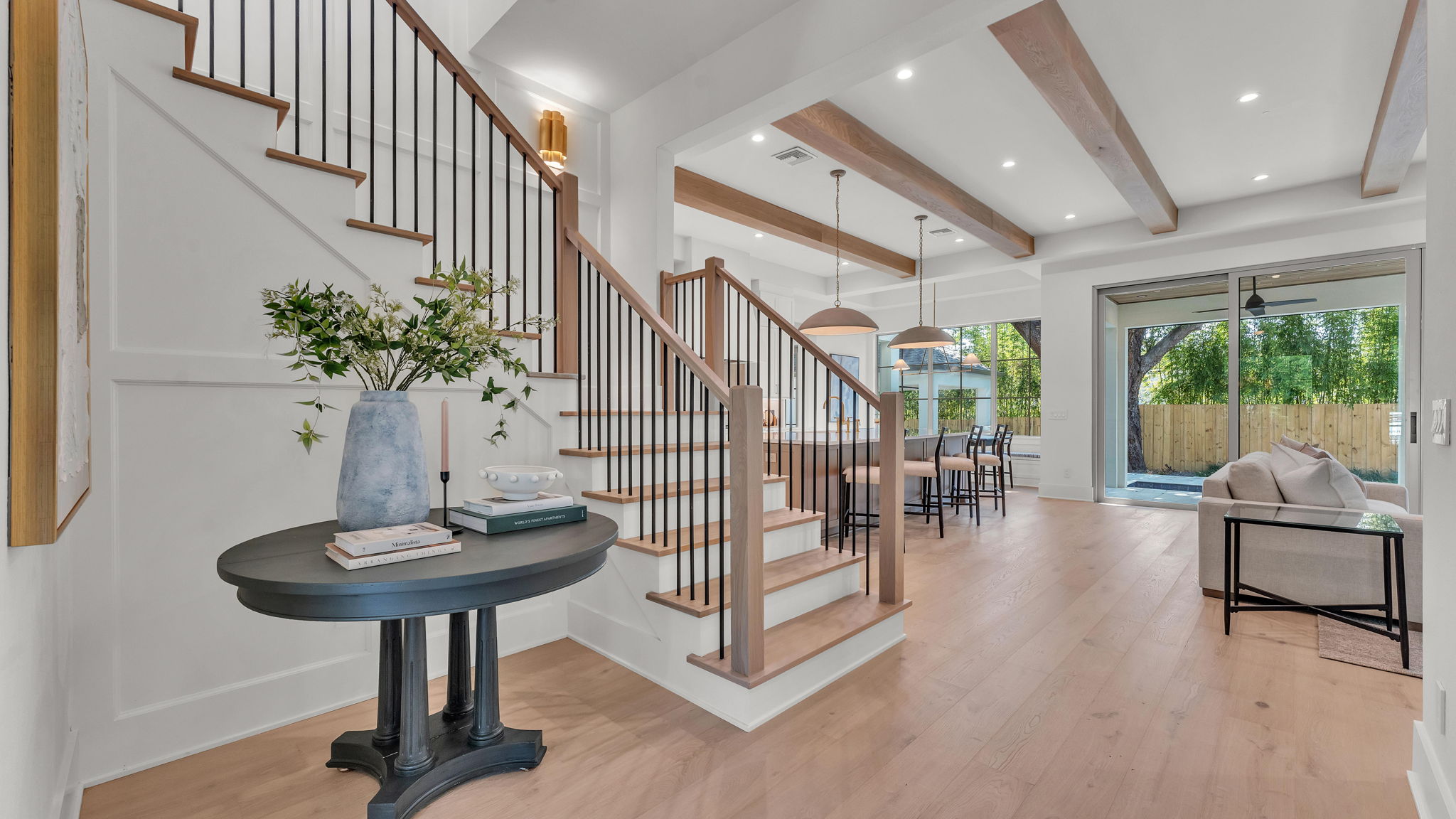
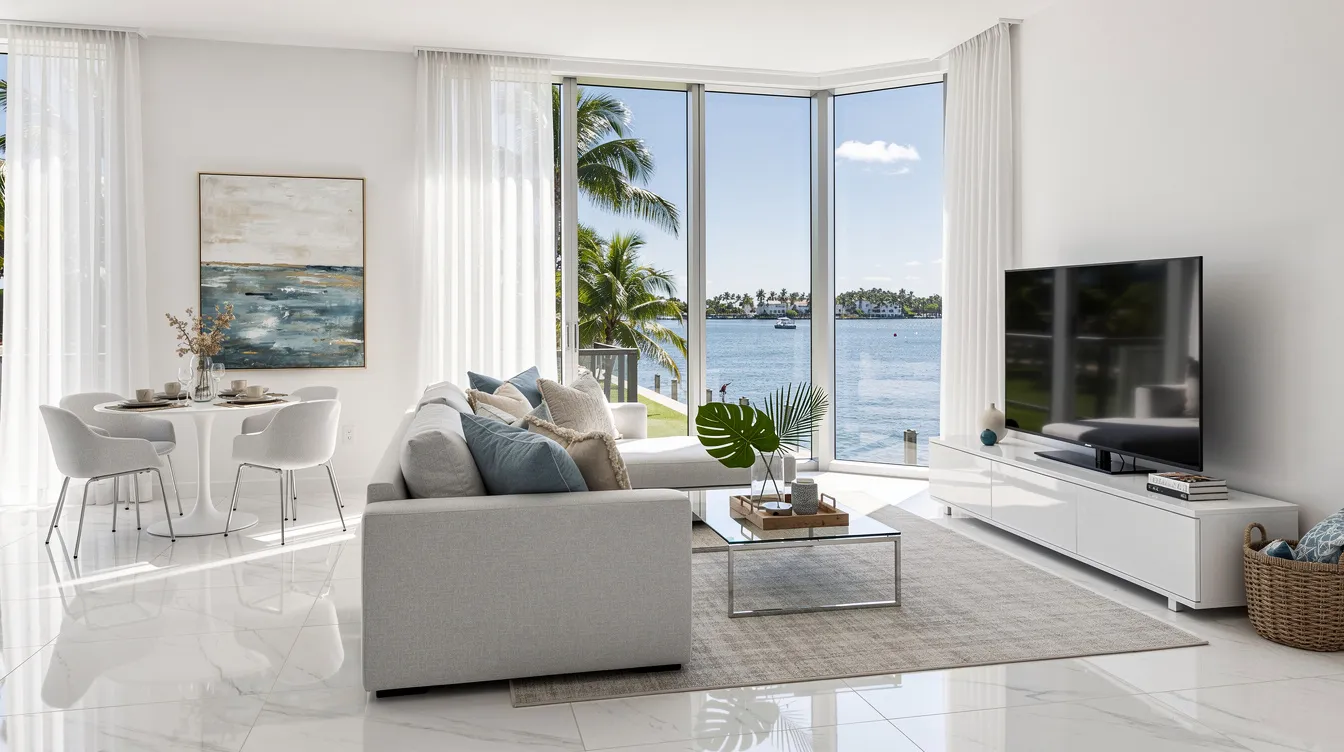
Picture two similar condos in Miami’s Brickell neighborhood. One is staged with airy coastal furniture, warm lighting, and a styled balcony overlooking the bay. It receives four offers in six days. The identical unit two floors up sits empty for 35 days with zero offers. The difference isn’t square footage or price-it’s presentation.
Home staging is no longer just an aesthetic upgrade. It’s a marketing tool tied directly to positioning, pricing support, and buyer perception. Between 2024 and 2026, more Florida real estate agents have shifted from ad-hoc staging to making it a standard line item in their real estate marketing strategies for most property listings. Effective marketing helps agents stand out in a crowded market where 1.5 million agents compete for attention nationally.
This article shows why Florida agents are embracing staging now, how it fits into broader marketing efforts, and what a modern staging-driven marketing plan looks like-specifically through the lens of Florida’s real estate industry dynamics: coastal markets, retirees, remote workers, and real estate investors.
Why Florida’s 2026 Market Makes Staging More Valuable Than Ever
Florida’s real estate landscape in 2026 creates the perfect conditions for staging to deliver outsized results. Several market trends are converging:
- Continued in-migration: Since 2020, Florida has drawn steady inflows from New York, New Jersey, Illinois, and California. In Miami-Dade alone, roughly 40% of inventory is purchased by out-of-state or international buyers who make decisions based on online photos before ever visiting in person.
- Buyers are more selective: By early 2026, Florida’s statewide median single-family home price reached approximately $420,000 (up ~1.8% year-over-year), while inventory grew ~18% and median days on market stretched to about 52 days. Potential buyers have options, and they’re comparison-shopping harder.
- Seasonal search patterns: Florida’s snowbird season (January through March) sends waves of out-of-state home buyers searching on portals from their living rooms in Chicago and Toronto. High-resolution photos are essential for MLS listings and marketing materials because these buyers decide which homes to visit based entirely on online presentation.
- Post-hurricane renovations need showcasing: After Hurricane Ian (2022) and subsequent building code changes, many sellers renovated. Staging helps agents differentiate updated homes from older, non-updated inventory sitting in the same local market.
- Investor expectations: Real estate investors buying short-term rental properties in 2025–2026 expect “Airbnb-ready” presentation. Design-forward staging is part of the value proposition for selling properties to this audience.
Staging as a High-ROI Marketing Strategy for Florida Listings
Staging works because it’s an investment, not an expense. Here’s what the numbers look like for Florida real estate professionals in 2026:
- Typical occupied staging packages in metros like Orlando or Tampa run $1,500–$3,500. Vacant luxury condo staging in Miami Beach can exceed $8,000, but often recoups multiples of the investment.
- According to the 2025 NAR Profile of Home Staging, 29% of agents reported staging led to a 1–10% increase in offer values compared to similar non-staged homes.
- Nearly 49% of sellers’ agents observed reduced time on market for staged homes.
High-quality visuals are important for MLS brochures and listings. Staged homes photograph better, increasing click-through rates on MLS, Realtor.com, Zillow, and real estate websites. High-resolution photos attract more potential buyers, which translates directly into more showings and offers.
A clear marketing strategy now routinely allocates budget across professional photography, staging, video, and social media ads-not just print flyers or basic online advertising. Professional marketing materials create lasting impressions, and using branded templates improves marketing consistency across every listing.
For many of the most successful agents, staging is presented to sellers as part of their unique value proposition: “Every listing is styled and marketed like a model home.” A Central Florida agent named Nick Rice staged a home that had languished on the market for six months; it sold within a week after staging.
Building a Strong Personal Brand Around Staged, Story-Driven Listings
Building a personal brand helps establish trust and credibility. A strong personal brand reflects your unique values and expertise-and in affluent Florida submarkets like Coral Gables, Naples, and Winter Park, top producers are known for a distinctive visual style that comes through in every staged listing.
Here’s how agents use staging for real estate branding:
- Before-and-after galleries on websites and listing presentations demonstrate marketing strategy and results to potential clients. Video testimonials from satisfied past clients are more persuasive than text-only reviews and pair perfectly with staging success stories.
- Brand assets integration: Incorporating staging images into listing brochures, postcards, door hangers, and CMA packets reinforces the perception of premium service. These marketing materials become portfolio pieces.
- Story-driven messaging: Top agents weave staging into their brand story-“We don’t just list homes; we curate spaces that help buyers picture their Florida lifestyle: waterfront mornings, poolside weekends, and indoor-outdoor living.”
- Recognition on social media feeds: Agents who consistently stage build stronger recognition; followers begin to associate their name with polished, move-in-ready property listings. Top agents combine social media presence, personal branding, and client engagement to dominate their target market.
Local content helps build authority in the targeted real estate area. Specializing in a niche or neighborhood builds authority for real estate agents and separates them from competitors who take a generic approach.
How Staging Supercharges Social Media Marketing and Lead Generation
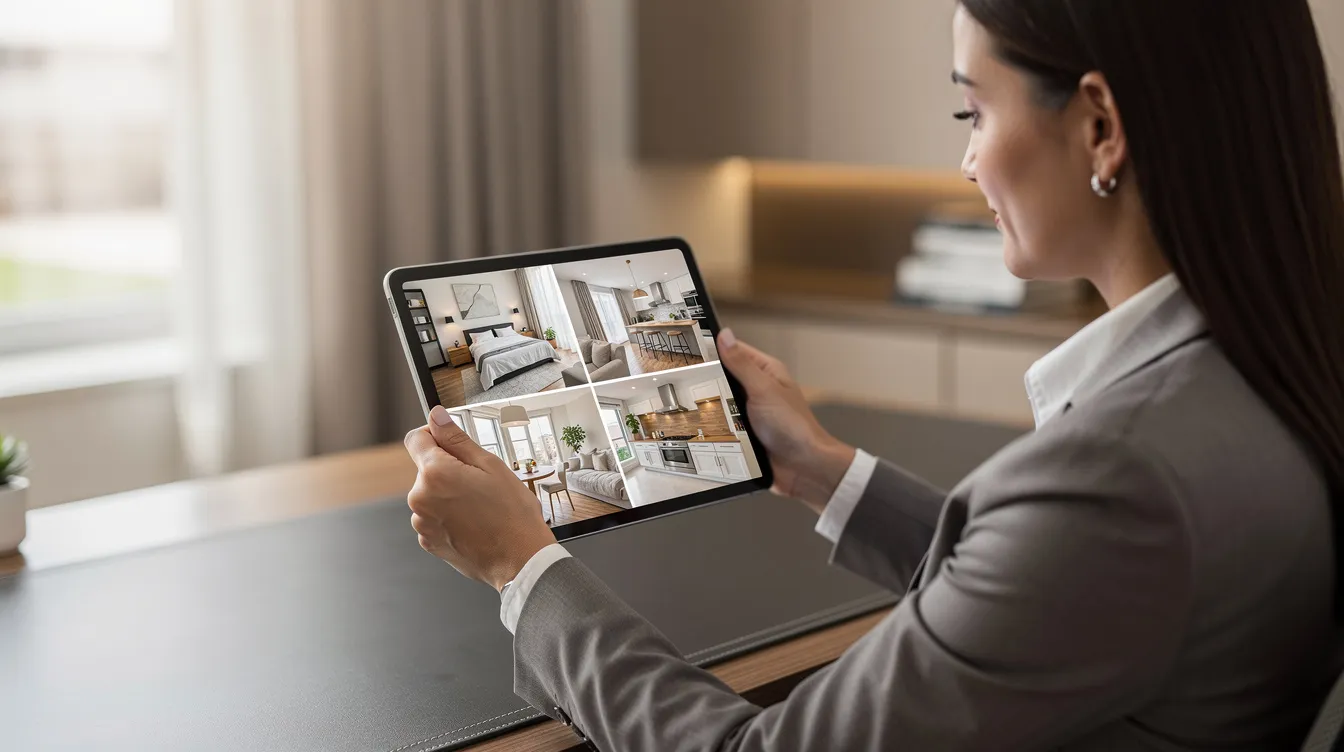
Staged photos and videos perform significantly better on Instagram Reels, TikTok, and Facebook compared to empty or cluttered rooms. Since 51% of millennials prefer agents with a social media presence, your staging content directly influences whether younger home buyers choose to work with you.
Here are specific content formats that work on social media platforms:
- Quick before/after transitions showing a room’s transformation
- 15-second styling tips featuring Florida-specific elements (lanai setups, pool furniture)
- Room-by-room tours of staged listings
- Lifestyle shots-coffee on the balcony, sunset on the dock-that appeal to relocation clients scrolling local Facebook groups
Posting educational videos on Instagram Reels boosts visibility, and using localized hashtags increases social media engagement. Social media video can showcase real estate listings and offer market insights that keep prospective buyers engaged. Virtual open houses can be hosted on Facebook and Instagram, extending reach beyond the local community.
Engaging social media posts build trust and credibility with potential clients. Agents run targeted ads on platforms featuring staged hero images to generate buyer leads at lower costs from out-of-state markets. Using AI tools can lower ad costs by 19% on social media, making every dollar in your marketing campaign stretch further.
Regular content sharing keeps agents top of mind for potential clients. Focusing on one social media platform can enhance marketing effectiveness for agents who are just starting, while a multi-channel approach increases lead visibility and engagement as they scale.
Many successful agents in 2025–2026 tag and collaborate with local businesses-stagers, furniture stores, art galleries, plant shops-in social media posts, expanding reach while showcasing their marketing efforts. Using staged visuals in lead magnets like a “2026 Florida Coastal Living Lookbook” download helps agents build email lists and nurture both qualified buyers and sellers with a steady stream of valuable content.
Partnering with Local Staging and Design Businesses
Florida realtors increasingly maintain preferred-vendor partnerships with local home staging companies in cities like Tampa, St. Petersburg, Orlando, and Fort Lauderdale. Building relationships with local businesses generates motivated referrals and creates a consistent lead flow that benefits everyone.
Co-marketing ideas that work:
- Joint Instagram Lives about “How to Get Your Jacksonville Home Market-Ready in 10 Days”
- Blog posts featuring staging case studies and success stories
- Local workshops for homeowners considering selling homes
Building referral relationships with local service providers-including mortgage brokers, stagers, and interior designers-can expand network opportunities. Word-of-mouth referrals generate high-quality leads for real estate agents, and clients are more likely to refer agents who provide exceptional service. Referrals can significantly reduce marketing costs for real estate agencies.
Agents should track referrals from these relationships as part of their marketing plan, treating stagers as strategic partners rather than vendors. Strong partnerships reduce turnaround times, allowing agents to move quickly during 2026’s busy seasons. Local networking builds community trust for real estate agents and positions them as connected industry professionals.
Virtual Staging, AI, and Hybrid Approaches in Florida’s 2026 Market
By 2026, AI-powered virtual staging apps produce realistic, MLS-compliant images in under an hour at a fraction of physical staging costs. Virtual staging can reduce staging costs by up to 97%-with some services charging as little as $0.59–$1.00 per photo versus $2,000–$8,000 for traditional staging.
Common Florida use cases include virtually staging vacant investment condos in downtown Orlando, pre-construction units in Miami, or budget-sensitive listings in suburban areas like Brandon or Kissimmee.
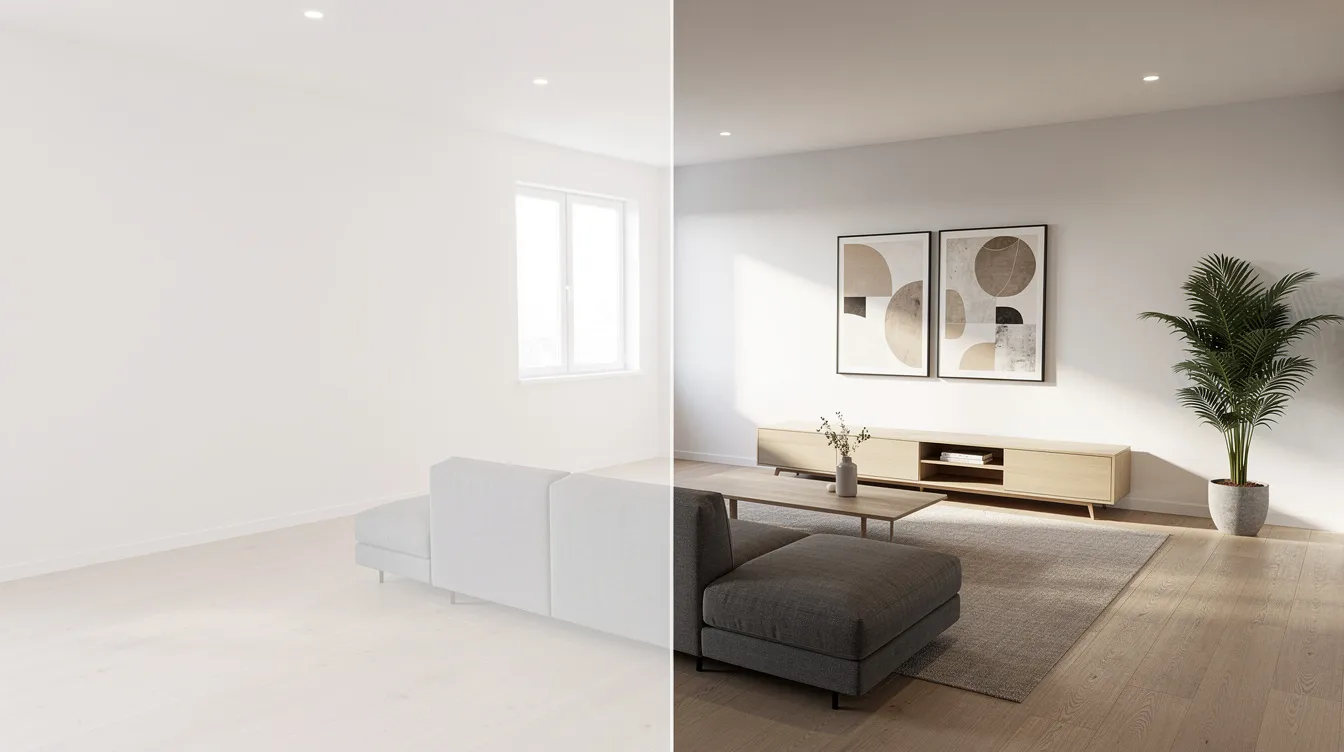
Hybrid strategies are where the real magic happens: agents combine light physical staging (neutral paint, simple furniture, greenery) with virtual enhancements like alternate furniture layouts, home office versions, and outdoor entertaining setups.
| Approach | Cost Range | Turnaround | Best For |
|---|---|---|---|
| Full physical staging | $2,000–$8,000+ | 1–4 weeks | Luxury, waterfront, open houses |
| Virtual staging (AI) | $0.59–$1/photo | Hours | Vacant condos, budget listings |
| Hybrid staging | $500–$2,500 | 3–7 days | Mid-price, suburban homes |
Utilizing immersive technology like 3D tours increases engagement with potential buyers-41% of home buyers find 3D tours very useful in their process. Interactive presentations can significantly improve client engagement and enhance buyer engagement during virtual showings.
Using AI can increase net income by 10% for real estate companies, making technology adoption a smart move for the real estate business overall. Ethical disclosure in listing remarks (“photos include virtual staging”) is essential. Stellar MLS updated rules in April 2025 requiring clear disclosure, with fines for non-compliant listings.
Integrating Staging into a Full Real Estate Marketing Plan
A staging-driven marketing plan follows a clear timeline:
- Pre-listing (Week 1): Walk-through, staging consultation, decluttering, and repairs
- Install (Week 2): Staging setup, professional photography, video, and 3D tour capture
- Launch (Week 3): MLS upload, social media launch, email blast, open houses
- Sustain (Weeks 4+): Retargeting ads, email nurturing, price adjustment if needed
Email marketing can nurture leads with targeted campaigns throughout this process. Video text messages have a 98% open rate for marketing, making them ideal for sending staged listing previews to your database. Automating lead generation can enable immediate follow-up with serious buyers who engage with your staged listing content.
Effective real estate marketing requires a diversified multi-channel approach. Repurposing listing media across different channels maximizes reach-the same staged photos power your MLS listing, social media pages, email newsletters, online marketing campaigns, and print marketing materials.
Targeted ads on platforms can generate buyer leads at lower costs when anchored by compelling staged imagery. You can calculate cost per lead by dividing total campaign cost by leads generated, measure social media interactions to gauge campaign effectiveness, track landing page visits to assess marketing campaign success, and analyze conversion rates to improve future real estate marketing strategies.
Optimizing a professional website with local keywords improves search engine visibility, and a mobile-friendly website is essential for local SEO. Optimizing your Google Business Profile increases visibility to local buyers searching via google search. Focusing marketing efforts on a specific neighborhood can enhance agent visibility in today’s market.
Encourage including staging line items in written marketing plans so sellers see it as standard, not optional. Tracking metrics-days on market, list-to-sale price ratio, number of showings-for staged versus unstaged past clients helps refine future marketing strategies and justifies staging budgets. Defining an ideal client profile helps tailor marketing messages for each listing tier.
Practical Tips for Florida Realtors to Start or Upgrade Their Staging Program
- Audit your past work: Review 5–10 past listings from 2023–2025 to identify presentation weak spots. Look at what agents miss when they skip staging-dark photos, empty rooms that confuse first time buyers about room size, cluttered spaces that kill website traffic.
- Create a Florida-specific staging checklist: Curb appeal in intense sun, pool and lanai presentation, hurricane shutters neatly stored, bright interiors that photograph well for market reports and digital marketing assets.
- Build a small staging inventory: Neutral rugs, lamps, coastal-inspired accessories, and fresh greenery let you do light DIY staging when budgets are limited. Even local business owners who sell home décor may offer agent discounts.
- Offer tiered options: Present consultation-only, partial staging, full staging, and virtual staging packages in your listing presentations with transparent price ranges. Client appreciation strategies-like including a complimentary staging consultation-can strengthen relationships with potential buyers and sellers.
- Lead with proof: Showcase one or two 2025–2026 staging success stories in every seller meeting. Since 51% of buyers used an agent referred to them, your staging results become the stories that past clients share when making referrals. This is how you create repeat business and business growth.
Staging isn’t just a marketing tactic-it’s the anchor of successful real estate marketing in Florida’s 2026 market.
For real estate education purposes, remember that the home buying process is emotional. Staging helps prospective buyers and luxury clients alike envision their lives in a space, which is something no amount of online advertising or a business card can accomplish alone. The real estate companies and real estate agencies that treat staging as central to their marketing efforts-not an afterthought-are the ones attracting a consistent lead flow of qualified buyers and motivated sellers.

FAQ
Is home staging really necessary in a hot Florida market in 2026?
Even in neighborhoods where homes move quickly, staging helps maximize sale price and attract better-qualified buyers. When higher interest rates make home buyers more cautious, staged homes give agents better negotiating leverage. Agents using staging as part of their marketing strategy typically secure stronger photography, more online engagement, and faster closings. In markets with rising inventory, staged listings receive up to 40% more views and 31% more inquiries than unstaged ones.
Who usually pays for home staging in Florida-agent or seller?
In most Florida transactions, the seller ultimately pays. However, many successful agents in 2025–2026 offer staging consultations at no cost or roll partial staging fees into their overall marketing budget for higher-end real estate listings. Flexible options include cost-sharing, pay-at-closing arrangements through vendors, or starting with lower-cost virtual staging for budget-conscious potential clients.
How long does the staging process take before a Florida home can hit the market?
Simple occupied staging and decluttering can often be completed within 5–7 days. Full staging of a vacant home in markets like Tampa or Orlando may take 7–14 days including planning and install. Build this lead time into your marketing plan, especially before key selling windows like late winter and early spring when out-of-state buyers are most active.
What types of Florida properties benefit most from staging?
Nearly all property types benefit, but staging is especially impactful for vacant condos, luxury waterfront homes, dated interiors needing a fresher look, and properties aimed at relocation buyers who shop primarily online. Even smaller starter homes in suburbs around Orlando, Tampa, and Jacksonville see improved perceived value when staged to show efficient layouts and move-in readiness.
How is virtual staging viewed by Florida buyers in 2026?
Virtual staging is widely accepted as long as it’s clearly disclosed and edited images reflect the space’s true dimensions and features. Combining virtual staging for online marketing with minimal physical touches-fresh paint, cleaned flooring, good lighting-ensures in-person showings align with buyer expectations. Market insights show buyers respond positively when agents are transparent about what’s virtual versus physical.